
A few days ago, a distributor called and dropped a number that made me set my coffee down.
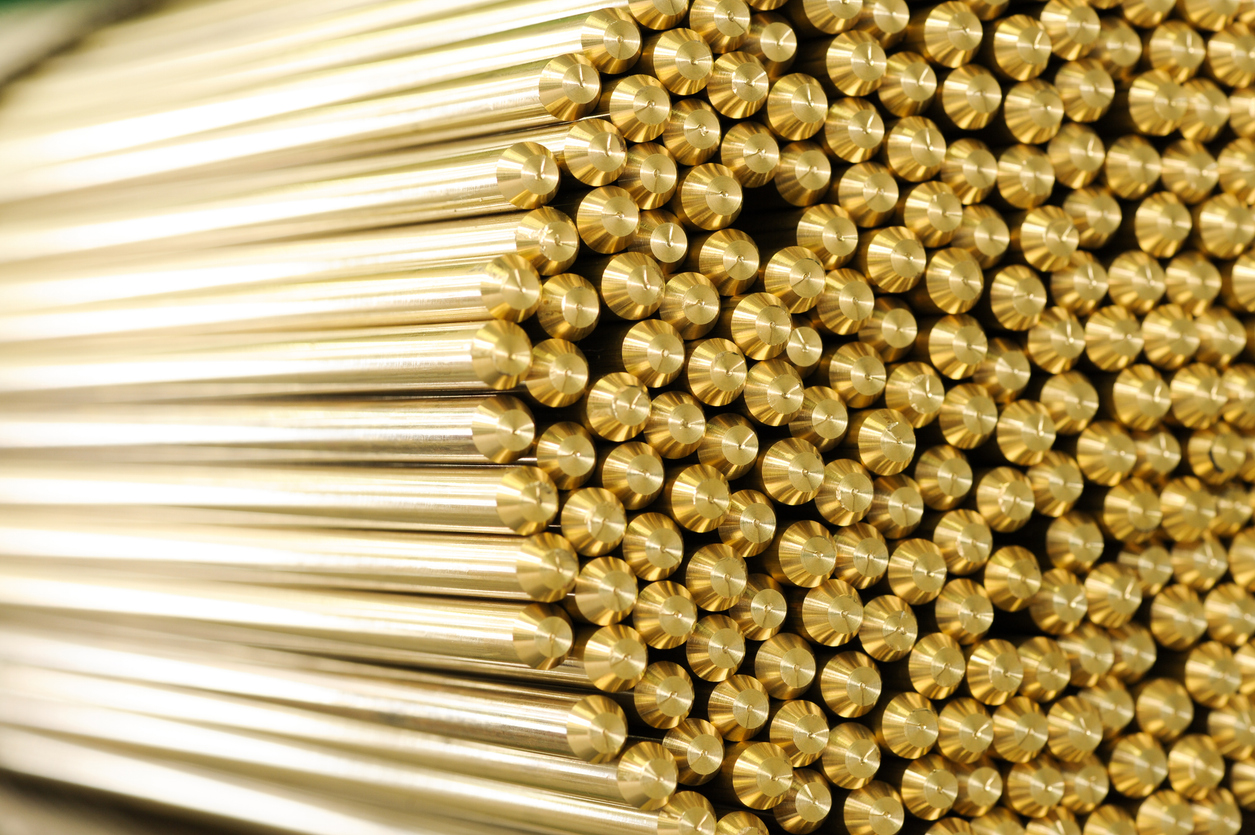
C14500 tellurium-copper rod — five-eighths inch — was now $13.85 a pound.
Back in May, that same product was $8.70. Same alloy, same mill, same truck routes. In five months, the cost jumped nearly 60 percent.
That’s not tellurium talking — that’s the cost of red metal on the move.
So, what’s behind the leap?
Prices have been climbing hard this fall. London metal markets broke past $11,000 a ton after mine disruptions and stronger-than-expected demand from the EV industry. In plain English, there’s less material being pulled out of the ground and more buyers chasing what’s left — a bad combo for anyone writing purchase orders.
The International Copper Study Group even flipped its 2025 forecast from “extra supply” to shortage territory — basically a warning that prices could stay elevated for a while.
Here in the States, mills are booked solid, so most distributors are turning to overseas supply. That’s where the real sting begins: you’re paying the world price, plus freight, financing, insurance … and now, new import fees.
The tariff twist
Since August, the U.S. has imposed a 50 percent duty on several semi-finished copper-based products (White House release).
That charge piles onto everything else — the LME rate, domestic delivery premiums, shipping, and carrying costs.
So when a distributor quotes $13-plus per pound, part of that is simply tariff weight built into the landed cost. Nobody’s making a killing; most are just trying not to lose money on inventory.
Why the policy matters
The idea behind those import fees isn’t punishment — it’s strategy. Washington wants to rebuild refining and rod-making capacity at home, pushing manufacturing away from dependence on Chile, Peru, and China.
Long term, that could strengthen jobs and supply security.
Short term, it’s messy. Buyers are second-guessing every order. Shops that once bought full truckloads of bus bar, harnesses, or connectors are cutting quantities in half — nobody wants to be caught holding overpriced material if the market slides again.
It’s created this odd mix of shortage and hesitation. We’ve got the talent and grit to make it here — the mills, the wire plants, the machining centers — but it’s going to take old-fashioned American resolve to pull it off. Until then, everyone’s walking a thin line between staying stocked and staying solvent.
Ripple through the shops
After talking with folks in procurement over the past year, the slowdown is real. Materials managers say they’re ordering 35 to 60 percent less bar stock than usual. The jobs are still out there — but everyone’s tightening up, waiting to see where pricing lands.
That pullback isn’t just a number; it’s a pulse check. The uncertainty has reached deep into the heart of U.S. manufacturing.
Bigger picture
This isn’t a one-off jump on a price sheet. It’s what happens when a country relies on imported metals and then taxes them mid-shortage. The goal — bringing production home — makes sense, but rebuilding takes time.
Right now, machine shops, manufacturers, and distributors are stuck between a hot global market and a wall of new costs. Buyers sit in the middle, hoping for some breathing room.
Let’s hope those import duties ease up soon and give American industry a fair shot at catching its breath.
Until next time,
— Redmond Alloy
Sources :
White House Proclamation | ICSG Market Update | LME Copper Chart


Leave a Reply